About Reprocessed Plastic Granules
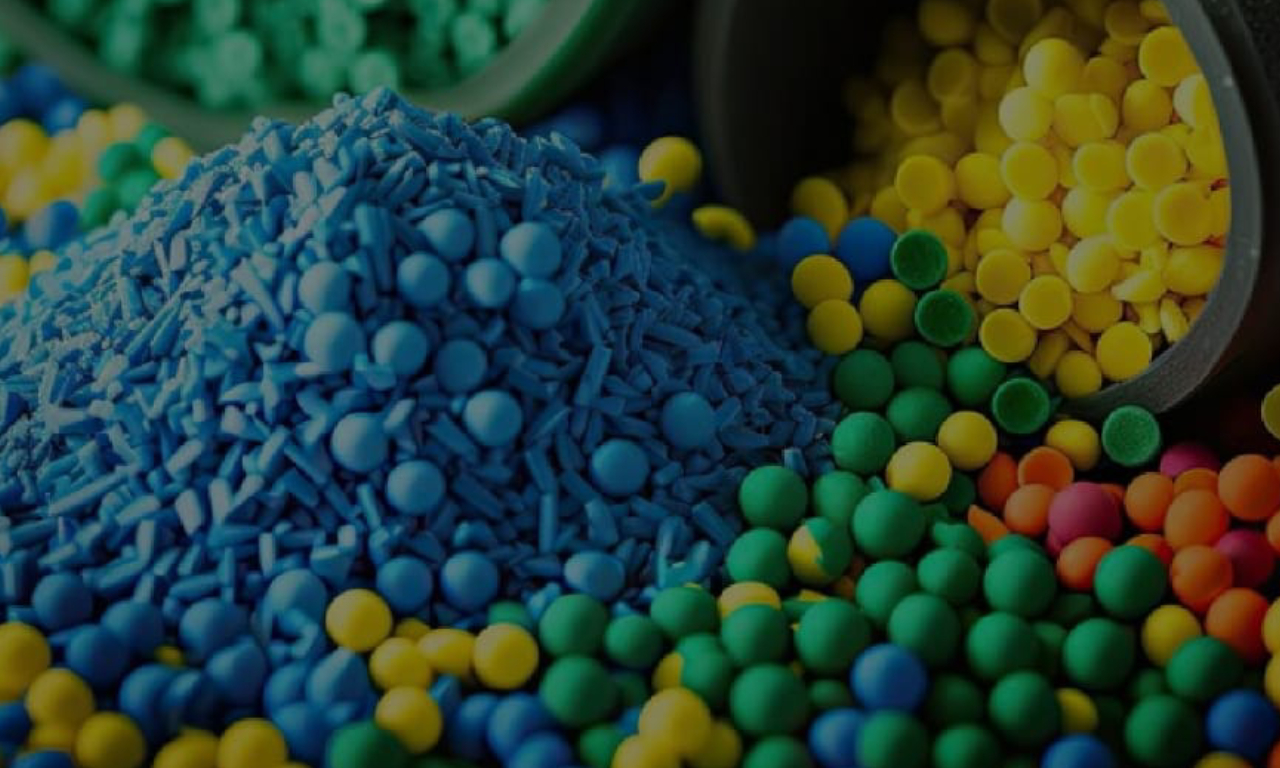
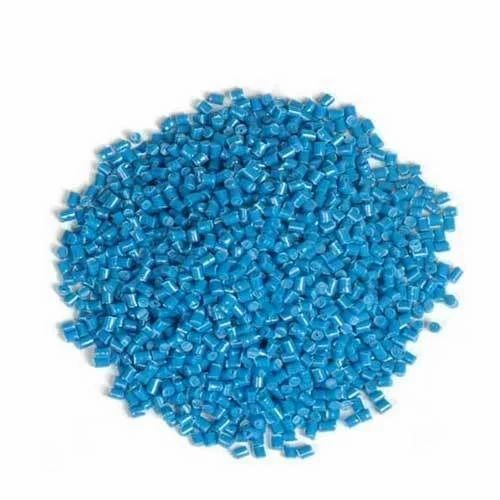
Reprocessed HDPE granules are polyethylene raw material pellets made by recycling and re-melting recovered HDPE plastic waste (e.g., industrial off-cuts, post-industrial scrap, and sometimes post-consumer waste). They are used as feedstock in plastic processing industries instead of fully virgin HDPE.
They are also known as recycled HDPE pellets / regrind HDPE pellets / reclaimed HDPE granules.
How They're Produced
Collection & Sorting: HDPE waste is collected and segregated (often by color, grade & contamination level).
Washing & Drying: Contaminants such as dirt, inks, adhesives and labels are removed.
Shredding/Grinding: Cleaned plastic is shredded into flakes.
Extrusion & Pelletizing: Flakes are melted and extruded into uniform granules/pellets.
Cooling & Packaging: The granules are cooled, screened, and packed for sale.
Typical Physical Properties
- Property Typical Range (Approx)
- Density 0.940 - 0.960 g/cm
- Melt Flow Index (MFI) 0.2 - 2.5 g/10 min
- Tensile Strength 18 - 28 MPa
- Izod Impact Strength 10 - 35 kJ/m
- Melting Point 125- 135 C
Actual values vary by source of feedstock, recycling process, and additives.
- Reprocessed HDPE granules are usually offered in variants such as:
- Natural / Off-White Reprocessed HDPE
- Black / Mixed Colour Reprocessed HDPE
- Food-Grade Reprocessed HDPE (controlled recycling stream)
- Fillers Blended HDPE (with CaCO, talc etc. for cost/performance balance)
Reprocessed HDPE is widely used in:
- Plastic injection molding
- Blow molding (non-critical parts)
- Extrusion (pipes, profiles)
- Household items (bins, crates, containers)
- Industrial components (pallets, drums)
- Garden & agricultural products
Its especially valued where cost-efficiency is key and mechanical performance requirements are moderate.
Advantages
- Lower material cost vs virgin HDPE
- Reduced environmental impact
- Good balance of stiffness & toughness
- Energy saving vs producing new resin
- Supports circular economy
Limitations / Considerations
Properties are less consistent than virgin resin
Possible contamination / odor if poorly processed
Not ideal for high-precision or critical performance parts
Colour consistency issues
Quality Parameters to Check Before Buying
When evaluating suppliers, ask for:
Melt Flow Index (MFI)
Density
Moisture Content
Residual Contaminants
Colour & Black Content
Batch Traceability
Superior Quality Reprocessed HDPE GranulesThese granules are manufactured using advanced recycling methods that ensure low ash and filler content, high durability, and stable performance. Their odorless characteristic and low contamination level make them suitable for a wide range of plastic fabrication processes. Every batch is strictly tested for physical and mechanical properties, providing consistent quality and reliability for industrial applications.
Versatile Applications in Plastic ManufacturingWith excellent elongation at break and tensile strength, these HDPE granules are ideal for extrusion, injection, and blow molding processes. They are extensively used in producing pipes, containers, packaging materials, and plastic parts. Their versatility accommodates the needs of manufacturers in various sectors across India, offering durability and environmental responsibility.
Safe Storage and Environmental ResponsibilityTo maintain the integrity of the HDPE granules, store them in a dry, cool place and avoid exposure to direct sunlight. These granules are fully recyclable, promoting environmental conservation while ensuring consistent, high-grade material supply for manufacturing. Plastic bags or sacks are used for packaging to safeguard the granules during transportation and storage.
FAQ's of Reprocess Hdpe Granules:
Q: How should reprocessed HDPE granules be stored for optimal longevity?
A: To preserve quality and prevent degradation, store the granules in a dry and cool place. Avoid direct sunlight, as exposure can impact material properties. Proper storage helps maintain moisture content at or below 0.2% and protects against contamination.
Q: What types of molding processes are suitable with these granules?
A: These reprocessed HDPE granules are suitable for extrusion, injection molding, and blow molding, offering flexibility in manufacturing pipes, containers, packaging materials, and various plastic components.
Q: When is it ideal to use reprocessed HDPE granules in production?
A: Use these granules when you require a cost-effective, durable, and environmentally conscious option for industrial plastic products. Their consistent mechanical properties and recyclability make them well-suited for regular manufacturing cycles.
Q: Where can reprocessed HDPE granules be applied?
A: They find uses in numerous sectors, including pipe and container manufacturing, packaging, plastic molding, and the fabrication of plastic parts. Industries across India rely on these granules for a broad array of applications due to their reliable performance.
Q: What are the main benefits of choosing reprocessed HDPE granules over virgin material?
A: These granules offer environmental benefits as they are made from recycled materials, reducing plastic waste. They are also cost-effective, durable, 100% recyclable, and tailored to meet the diverse needs of industrial applications without compromising on quality.
Q: How is the quality of these granules ensured during processing?
A: Quality control involves strict testing for properties such as ash content, moisture, tensile strength, elongation at break, and contamination level. Only material meeting industry standards is packed and supplied to maintain consistent performance.






 Send Inquiry


 Send Inquiry
 English
 Spanish
 French
 German
 Italian
 Chinese (Simplified)
 Japanese
 Korean
 Arabic
 Portuguese